
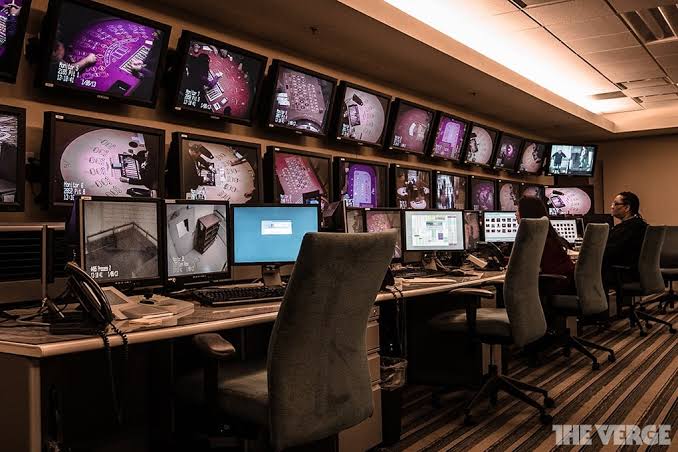
Casino security software is a broad term for digital tools that help operators protect people, facilities, information, and operational systems. It does not refer to one universal product. A casino may use separate applications for surveillance, access control, incident management, cybersecurity, and equipment monitoring.
Understanding these functions helps explain what security software can do, where it has limitations, and why staff procedures remain essential.
It Helps Staff Manage Surveillance
Video management software organizes camera feeds and recordings. Authorized users can view designated cameras, review recorded footage, check device status, and retrieve video relevant to an incident.
Depending on the system, features may include motion-based search, alerts for camera interruptions, and tools for managing recording retention. Advanced analytics may be available, but features vary by vendor and deployment.
The software cannot guarantee that an event will be visible or correctly interpreted. Camera positioning, image quality, obstructions, and lighting all affect what can be established from footage.
It Manages Access Permissions
Access-control applications can manage who is permitted to enter selected areas or use designated systems. When connected to compatible hardware, the software can assign credentials, update permissions, and record access events.
These records can support reviews, but a credential log should not automatically be treated as proof of a person’s identity. Credentials can be shared, lost, or misused, so policies should address these possibilities.
Regular permission reviews help ensure that access reflects current job responsibilities.
It Organizes Incident Reporting
Security software can help employees document incidents in a consistent format. Reports may include the time, location, description, actions taken, assigned investigator, and relevant supporting evidence.
A structured process makes it easier to track outstanding tasks and review how an issue was handled. It can also help managers identify recurring weaknesses in procedures.
Reports should distinguish observed facts from assumptions. Sensitive records need suitable access controls and retention practices.
It Generates Alerts and Supports Monitoring
Some security platforms generate alerts when configured conditions occur. Examples might include a monitored device going offline, an access event that requires review, or a cybersecurity tool identifying a potential threat.
Alerts can help teams prioritize attention, but poorly tuned systems may create excessive notifications. Staff need procedures for evaluating alerts, recording decisions, and escalating important events.
An alert is a signal for review, not necessarily confirmation that a security breach or offence has occurred.
It Protects Digital Systems
Cybersecurity software helps defend the digital systems that support casino operations. Depending on the environment, this may include endpoint protection, suspicious-login monitoring, network security, vulnerability management, and centralized event logging.
These tools need to be supported by good security practices, including updates, strong authentication, backups, and limited user privileges. A security product that is not configured or maintained properly may provide less protection than expected.
It Connects Information Carefully
Some platforms can exchange information with other approved systems. For example, an incident record may reference a relevant camera, access event, or technical alert.
Integration can save time, but it also increases the importance of access control and data quality. Systems should only share the information required for a legitimate purpose, and connected workflows should be tested before being relied upon.
What Security Software Cannot Do
Security software cannot prevent every incident, interpret every situation correctly, or replace professional judgment. It may fail because of technical faults, incomplete information, configuration errors, or human mistakes.
Casinos should evaluate software against specific operational needs rather than assuming that a product with more features will automatically deliver better security.
Conclusion
Casino security software supports practical tasks such as surveillance management, access permissions, incident reporting, alert handling, and cybersecurity. The exact functions depend on the platform. The best results come when the software is configured carefully, reviewed regularly, and combined with trained personnel and clear procedures.
FAQs
1. Is casino security software one single system?
Usually not. It can refer to several products that support different security functions.
2. Does an alert mean an incident definitely happened?
No. Alerts often identify conditions that need verification and further review.
3. Can security software keep records of access events?
Compatible access-control systems can record credential use and related events, subject to configuration and applicable rules.
4. How should a casino choose security software?
It should assess operational needs, compatibility, cybersecurity, support, privacy obligations, reliability, and total cost.
One Reply to “What Does Casino Security Software Actually Do?”