
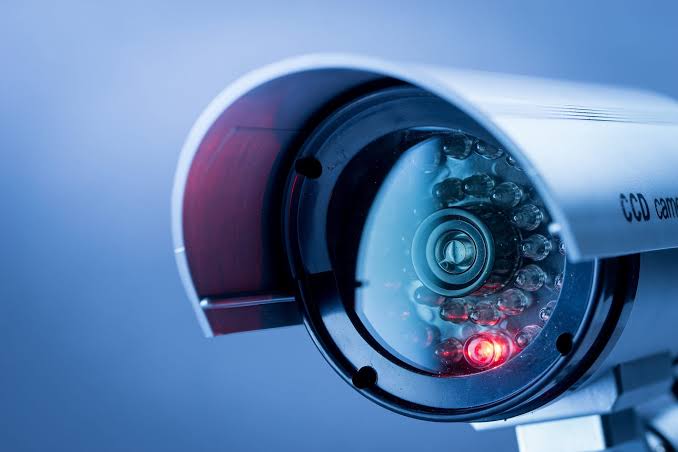
Casino surveillance has developed alongside advances in cameras, recording equipment, computer networks, and video management software. Traditional closed-circuit television (CCTV) established the foundation for monitoring physical spaces. Digital recording and networked systems later made it easier to manage footage from multiple cameras, while newer analytics tools introduced additional ways to organize and review video.
This evolution has improved the options available to security teams, but it has not removed the need for trained personnel, careful system maintenance, or appropriate privacy safeguards.
The Early Role of CCTV
Traditional CCTV systems connected cameras to designated monitors and recording equipment. They allowed security personnel to observe selected areas and review recorded footage when an incident required investigation.
The capabilities of early systems depended on their cameras, recording formats, and storage arrangements. Searching for a particular event could require substantial manual review, especially when recordings covered many hours.
Even with these limitations, CCTV created a valuable record of events and became an important part of physical security in many environments.
The Shift to Digital Recording
Digital recording changed how surveillance footage could be stored, retrieved, and managed. Instead of relying solely on older recording formats, operators could use digital storage and software-based playback.
Digital systems made it easier to locate footage by date, time, or camera, depending on the platform. They also supported more flexible storage management and controlled export of recordings.
The transition introduced new responsibilities, including managing storage capacity, securing digital records, maintaining system access, and ensuring that recordings remained available when needed.
Networked Cameras and Centralized Management
Network cameras enabled video to travel across compatible data networks. This made it possible to manage camera feeds from centralized software and, where appropriately configured, support authorized access from different workstations.
Centralized management can help security teams check camera status, manage recordings, and coordinate surveillance across larger facilities. However, the system’s reliability depends on network performance, compatible devices, adequate storage, and secure configuration.
Network connectivity also creates cybersecurity considerations. Surveillance infrastructure should be protected against unauthorized access and should be maintained as part of the casino’s wider security program.
The Emergence of Smart Monitoring
Modern video platforms may include analytics designed to identify selected events or make recordings easier to search. Depending on the product, features can include motion detection, camera-health alerts, and tools for reviewing activity within designated areas.
These functions can help staff focus their attention, but they are not universally available and should not be assumed to operate with perfect accuracy. Environmental conditions, camera placement, and system configuration affect performance.
Analytics should support investigation rather than automatically determine that misconduct has occurred.
Integration With Other Security Systems
Some casinos connect surveillance workflows with access-control systems, incident-management software, or other approved operational tools. This can help authorized staff compare video with relevant event records.
Integration needs careful planning. Systems may use different timestamps or data formats, and incorrect associations can mislead investigators. Access to connected records should also be restricted according to job responsibilities and legitimate operational needs.
Privacy, Governance, and Staff Training
More advanced monitoring makes responsible governance increasingly important. Operators need to consider where cameras are placed, who can view footage, how long recordings are retained, and when information can be shared.
Staff should understand the limits of analytics and follow consistent procedures for reviewing and preserving evidence. Training helps ensure that technology is used lawfully and that decisions are based on verifiable information.
What the Future May Bring
Further developments may include improved search tools, more efficient storage, better camera-health monitoring, and additional analytics. Adoption will depend on practical value, cost, privacy requirements, technical compatibility, and local law.
The objective should be to improve the quality and reliability of surveillance rather than simply adding more features.
Conclusion
Casino surveillance has progressed from traditional CCTV to digital recording, networked video, and increasingly capable monitoring software. These developments can make footage easier to manage and review, but effective surveillance still depends on sound procedures, trained staff, secure infrastructure, and respect for privacy. Technology is most useful when it strengthens a well-designed security operation.
FAQs
1. What is the main difference between traditional CCTV and modern surveillance?
Modern systems may offer digital recording, network connectivity, centralized management, and additional search or analytics features. Capabilities vary by installation.
2. What does smart surveillance mean?
It generally refers to video systems that use software features to assist monitoring, search, or the identification of selected events.
3. Can analytics replace human surveillance staff?
No. Analytics can assist with reviewing information, but people are still needed to interpret events, verify alerts, and follow appropriate procedures.
4. What challenges come with networked surveillance?
Common considerations include cybersecurity, network reliability, storage capacity, compatibility, data retention, and access management.

One Reply to “From CCTV to Smart Monitoring: The Evolution of Casino Surveillance”