
Introduction
Digital wallets have changed the way people pay for online purchases, subscriptions, and services. Instead of entering card details every time, users can authorize eligible transactions through a wallet connected to a bank account, payment card, or stored balance.
This technology has also influenced payment options offered by online casino platforms. Where available and legally permitted, digital wallets can provide an alternative to traditional bank transfers and direct card payments.
However, their impact goes beyond convenience. Wallet technology has changed how payment credentials are managed, how transactions are authenticated, and how financial services connect with online merchants.
Making Online Payments Simpler
Traditional online payments often require customers to enter card information or provide bank details during checkout. Digital wallets can reduce these repeated steps by allowing users to authorize payments through an existing account.
Depending on the provider, authorization may involve a password, biometric check, security code, or confirmation through a mobile application.
This approach can create a more consistent payment experience across supported websites and devices. Customers may also find it easier to review transactions within a dedicated wallet interface.
For casino operators, wallet integration can reduce the need to build separate payment interfaces for every supported financial institution. The operator still needs an approved provider relationship and must follow the relevant payment rules.
How Wallet Transactions Work
A digital wallet does not necessarily hold money itself. Some wallets store payment credentials, while others maintain a balance or provide access to linked financial accounts.
When a customer initiates a payment, the wallet or its payment partner verifies the request and sends the necessary information through the relevant payment network. Additional authentication or fraud checks may occur before the transaction receives approval.
The receiving platform then processes the result and updates the customer’s account according to its systems and policies.
Several organizations may participate, so the exact sequence varies by wallet, payment method, and country. A wallet authorization should not automatically be interpreted as proof that final settlement has occurred.
Withdrawals can follow a different route from deposits. The platform may need to verify ownership of the original payment method or use a supported withdrawal channel.
Tokenization and Payment Privacy
One important development in wallet technology is tokenization. Instead of exposing an original card number in every eligible transaction, a wallet may use a substitute credential.
This can reduce the amount of sensitive information shared with participating services. Some token arrangements are also restricted to a particular device or payment context, limiting how the credential can be reused.
Wallets may provide another privacy benefit by reducing the number of times customers manually enter financial information into merchant websites.
However, a digital wallet does not make a payment anonymous. Financial institutions and payment providers may retain transaction records, and businesses may have legal obligations to verify customer identity.
Users should read privacy policies carefully and understand what information a wallet provider collects and shares.
Mobile Access and Faster Authorization
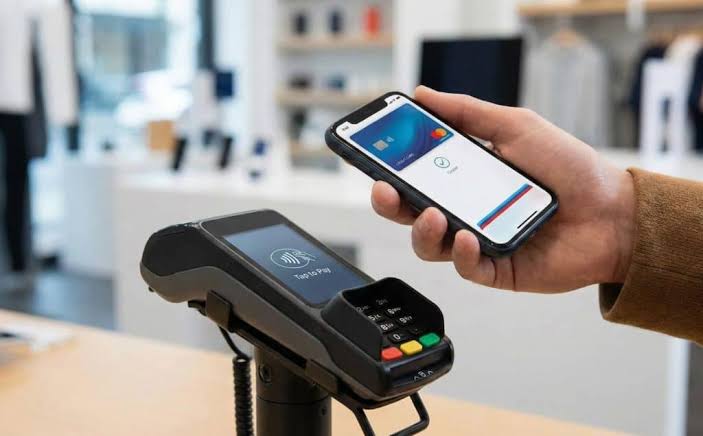
Many digital wallets are designed around smartphones. This makes it possible to approve eligible payments through an application or a device’s built-in authentication features.
For customers, fewer manual steps can make the checkout process easier to navigate. For businesses, a well-integrated wallet may help reduce errors caused by incorrect card numbers or incomplete payment forms.
Still, speed depends on more than the wallet interface. A transaction may be delayed by account verification, issuer approval, network availability, fraud screening, or merchant processing.
Customers should also remember that a fast deposit does not guarantee a fast withdrawal. Outgoing payments may require separate checks and processing stages.
The Role of Fraud Prevention
Digital wallets can support several security measures, including device authentication, transaction notifications, tokenization, and account-level monitoring.
These controls help reduce particular risks, but they do not eliminate the possibility of account takeover, phishing, stolen devices, or unauthorized access.
Wallet providers may temporarily restrict an account when suspicious activity is detected. Customers might need to verify their identity or contact support before access is restored.
Good security habits remain essential. Users should protect their devices with a strong screen lock, use unique account credentials, enable available multifactor authentication, and review transaction notifications promptly.
They should also avoid approving payment requests they do not recognize.
Integration With Modern Financial Systems
Wallet providers rely on connections to banks, card networks, payment processors, and merchant systems. APIs and other technical interfaces allow participating services to exchange payment instructions and status information.
This integration can help merchants offer multiple payment options without independently connecting to every financial institution.
However, integration requires careful management. Businesses must protect credentials, restrict system permissions, monitor errors, and ensure that payment data is handled according to applicable rules.
Wallet availability can also vary by country. Some providers may not support gambling-related transactions, while others may restrict particular merchants or transaction types. Customers should check the provider’s terms rather than assuming every wallet will work with every platform.
Limitations Customers Should Understand
Digital wallets can involve transaction limits, account verification requirements, currency conversion costs, and withdrawal restrictions. A wallet may support deposits but not withdrawals through a particular merchant.
Refund and dispute procedures also vary. Depending on the payment method, customers may need to contact the wallet provider, bank, card issuer, or merchant.
Before using a wallet, customers should review its fees, supported regions, security features, dispute process, and policies for online gambling transactions. They should also confirm that the receiving platform is properly licensed for their location.
Conclusion
Digital wallet technology is changing casino payments by simplifying authorization, reducing repeated entry of sensitive details, supporting mobile transactions, and improving integration between financial services and merchants.
Yet wallets are not universal solutions. Their features, protections, and processing times depend on the provider and payment arrangement. The most useful approach is to evaluate the complete service, including fees, withdrawal rules, privacy, and security, instead of choosing a method based on convenience alone.
Frequently Asked Questions
How do digital wallets change casino payments?
They can simplify payment authorization, reduce repeated entry of card details, and provide a central interface for reviewing eligible transactions.
Do digital wallets make payments anonymous?
No. Wallet providers and financial institutions may retain transaction records, and identity checks may be required by law or provider policy.
Are wallet deposits always instant?
No. Some transactions are processed quickly, but authentication, fraud checks, technical issues, and provider rules can cause delays.
Can customers withdraw money to a digital wallet?
That depends on the merchant, wallet provider, original payment method, and applicable rules. Withdrawal support should be confirmed in advance.
What should customers check before using a wallet?
They should review fees, withdrawal support, transaction limits, security features, privacy policies, and regional restrictions.
One Reply to “How Digital Wallet Technology Is Changing Casino Payments”