
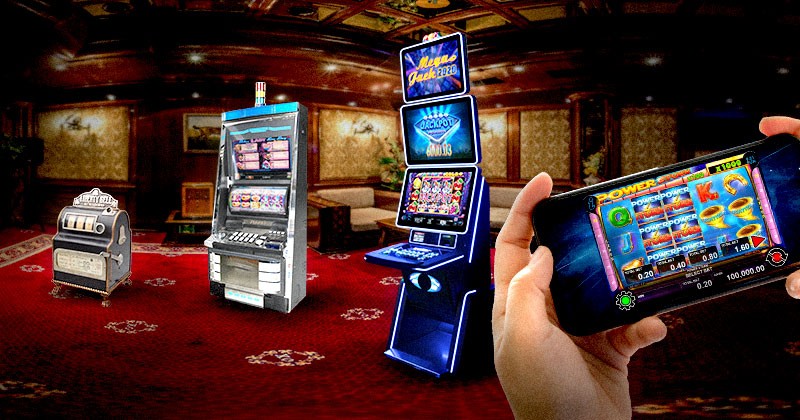
For many years, slot machines were purely mechanical devices. Players pulled a large lever, watched physical reels spin, and waited to see where the symbols stopped. The machines were made of gears, springs, and moving metal parts that worked together to produce results.
The sound of spinning reels and coins dropping into trays became a familiar part of casino life. These machines helped shape the image of casinos throughout the twentieth century. For many people, they represented the classic gambling experience.
Today, slot machines look very different. Most modern machines use computer screens, digital graphics, and software instead of mechanical systems. While they may still resemble traditional slots on the outside, much of the technology behind them has changed completely.
This transformation from mechanical machines to software-powered systems is one of the biggest technological shifts in casino history. Understanding that change helps explain how modern slot machines operate today.
The Early Days of Mechanical Slot Machines
The first slot machines appeared in the late nineteenth century. These early devices used simple mechanical designs. Players inserted coins and activated the machine by pulling a lever connected to physical reels.
The outcome depended on the position of those reels when they stopped spinning. Every part of the process relied on mechanical movement rather than electronic technology.
As slot machines became more popular, manufacturers improved their designs. New features were added, but the basic principle remained the same. Physical components determined the result of every game.
For decades, these machines dominated casino floors and remained one of the most recognizable forms of gambling entertainment.
Why Mechanical Machines Had Limits
Although mechanical slot machines were successful, they had limitations. Their designs depended on physical parts that could wear down over time. Repairs and maintenance were necessary to keep machines operating properly.
The number of possible outcomes was also limited by the physical structure of the reels. Adding new game features often required significant changes to the machine itself.
Because of these restrictions, manufacturers began exploring electronic alternatives that could provide greater flexibility and reliability.
The growth of computer technology eventually opened the door to a new era of slot machine development.
The Arrival of Electronic Slot Machines
During the second half of the twentieth century, electronic technology began entering casinos. Early electronic slot machines still looked similar to traditional machines, but some mechanical systems were replaced with electronic components.
These changes allowed developers to create more complex game designs. Electronic systems could manage game functions more efficiently than purely mechanical devices.
As computer technology improved, slot machines became increasingly digital. Physical reels gradually gave way to video screens and software-controlled displays.
This shift marked the beginning of the transition from machines powered by mechanics to machines powered by software.
The Role of Software in Modern Slots
Today, software sits at the center of nearly every slot machine. Instead of relying on gears and springs, modern slots use computer programs to manage game operations.
When a player presses the spin button, software processes the action and determines the outcome. The spinning reels displayed on the screen are usually visual animations created by the machine’s software.
The symbols that appear are not controlled by physical movement. Instead, computer systems generate results according to programmed rules.
This allows developers to create thousands of different game themes, bonus features, and visual effects without changing the machine’s physical structure.
Random Number Generators
One of the most important technologies in modern slot machines is the Random Number Generator, often called an RNG. This software continuously produces number sequences at high speed.
When a player starts a spin, the machine uses numbers generated by the RNG to determine the result. These numbers correspond to different symbol combinations and outcomes.
Because the process is designed to be random, players cannot predict future results based on previous spins. Each round operates independently from the last.
The RNG has become one of the key technologies that support modern digital slot gaming.
New Features Made Possible by Software
Software has allowed slot machines to become much more complex than their mechanical predecessors. Modern games often include bonus rounds, animated characters, interactive features, and special events.
Developers can create themed games based on movies, historical settings, fantasy worlds, and many other subjects. These experiences would have been difficult or impossible to produce using traditional mechanical designs.
Software also allows casinos to update games more easily. New content and improvements can often be added through digital systems rather than physical reconstruction.
This flexibility has helped slot machines remain one of the most popular attractions in casinos around the world.
The Impact on Players and Casinos
The move to software-based machines changed both the player experience and casino operations. Players gained access to a much wider variety of games with richer visual presentations.
Casinos benefited from improved reliability and easier maintenance. Software systems can monitor machine performance, record activity, and support technical management.
The shift also made online slot games possible. Because modern slots are software-driven, developers can offer similar experiences through websites and mobile applications.
This connection between physical and online gaming would not have been possible with traditional mechanical machines alone.
Conclusion
The journey from mechanical slot machines to software-powered systems represents a major chapter in casino history. What began as machines built from gears, levers, and spinning reels has evolved into a technology-driven form of entertainment.
Modern slot machines rely on software, digital displays, and Random Number Generators to produce results and create engaging experiences. These technologies have expanded what slot games can offer while changing the way casinos operate.
Although the appearance of slot machines has changed dramatically over time, their core purpose remains the same. They continue to provide a simple game of chance, now powered by software instead of mechanical parts.