
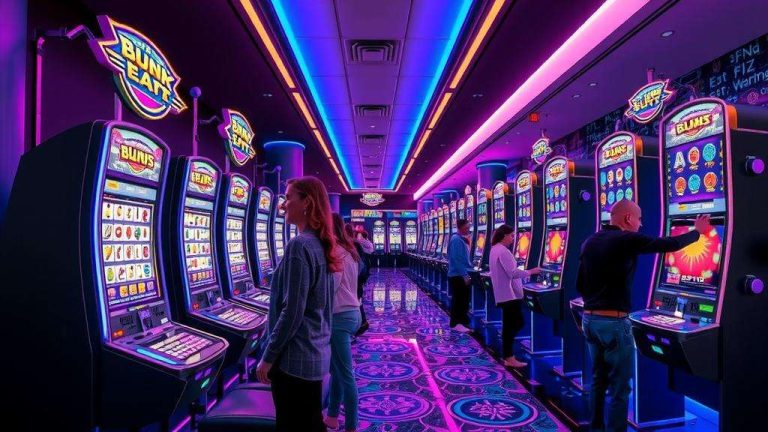
Casinos were not always filled with digital screens and colorful animations. If you stepped into a gambling hall many decades ago, the experience would look and sound very different.
Rows of heavy metal machines lined the floor. Players dropped coins into slots, pulled large chrome levers, and waited for spinning reels to stop. Inside those machines, springs and gears clicked and rotated while mechanical parts decided the outcome.
The sound of coins hitting metal trays echoed across the room.
Everything about early casinos felt physical and mechanical.
But technology rarely stands still. Over the past century, casinos slowly transformed from rooms full of moving machines into environments powered mostly by software and computer code.
Today, many casino games exist entirely inside digital systems. What players see on a screen is only the visual layer. Beneath it, algorithms and software determine every result.
This transformation from mechanical machines to digital code is one of the biggest technological changes the gambling industry has ever experienced.
The Era of Mechanical Slot Machines
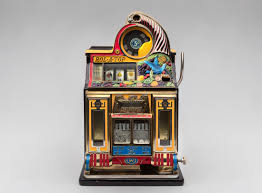
One of the earliest and most famous casino machines was created in the late 1800s. The first widely known slot machine appeared around 1895, built by a mechanic named Charles Fey.
His invention, often called the Liberty Bell slot machine, had three spinning reels and a simple payout system. Players pulled a lever and watched the reels spin until they stopped.
If certain symbols aligned, coins dropped into a metal tray.
Inside the machine were springs, gears, metal arms, and rotating wheels. The entire outcome depended on how these parts moved and stopped.
Early machines were simple compared with modern games. Because the reels were physical objects, they could hold only a limited number of symbols. This meant the total number of possible combinations was relatively small.
Even with these limits, slot machines quickly became popular.
By the mid 20th century, casinos around the world were filled with mechanical machines. The sounds of spinning reels and clinking coins became a defining feature of casino floors.
A longtime casino visitor once described the atmosphere in an interview:
“The noise of those machines was unforgettable. You could hear coins falling across the entire casino floor.”
However, these machines also had challenges.
Mechanical parts wear out over time. Springs weaken. Gears misalign. Casinos needed technicians constantly repairing machines to keep them working.
Engineers soon began looking for a better solution.
The First Electronic Slot Machines
The transition toward digital gambling began in the 1960s and 1970s, when electronics started replacing mechanical systems.
One of the first major steps came when manufacturers introduced electromechanical slot machines. These machines still had spinning reels, but electrical components controlled many of the internal processes.
Players pressed buttons instead of pulling levers, and lights flashed when someone won.
Then, in the 1980s, fully video based slot machines began appearing. Instead of real reels, these machines used screens to display spinning symbols.
Behind the screen, computer software decided the results.
This innovation changed everything.
Game designers were no longer limited by the size of physical reels. They could create hundreds or even thousands of possible symbol combinations.
This allowed casinos to introduce:
- Bonus rounds
- Multiple paylines
- Animated graphics
- Themed slot machines
The games became more engaging and visually exciting.
A gaming historian once summarized the moment this way:
“When slot machines became digital, the possibilities for game design exploded overnight.”
The Role of Random Number Software
With the move to computer controlled machines came a new system for deciding results.
Instead of relying on gears and physical reel positions, modern slot machines use Random Number Generator software, often called RNG.
An RNG constantly generates thousands of numbers every second. When a player presses the spin button, the software selects the number generated at that exact moment.
That number determines the position of the symbols on the screen.
The important detail is that the system never stops running.
Even when nobody is playing, the software continues producing random numbers. This makes predicting results nearly impossible.
Modern casinos rely on these systems to ensure fairness.
Independent testing companies examine millions of simulated spins to confirm that the outcomes truly behave randomly.
According to industry reports, many modern slot machines offer Return to Player rates between 92 percent and 97 percent, meaning most of the wagered money is eventually paid back to players over long periods of play.
From Casino Floors to Online Platforms
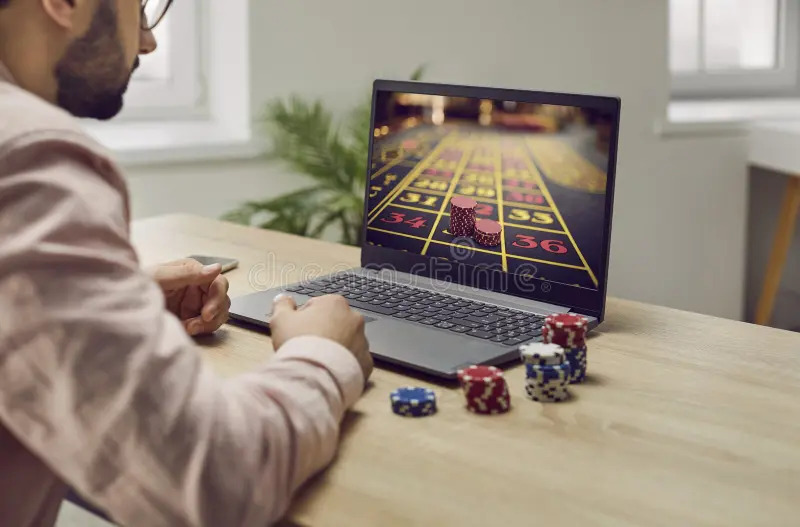
The next major shift came with the rise of the internet in the 1990s.
Developers realized that casino games could exist entirely as software rather than physical machines. Instead of installing a game inside a metal cabinet, they could host it on a computer server and deliver it to players through the internet.
The first online casinos appeared around 1994, when early digital gambling platforms launched.
At first, many players were skeptical.
People wondered whether games on a computer could feel as exciting as those inside real casinos.
But technology improved quickly. Graphics became more advanced, internet speeds increased, and developers added creative themes and soundtracks.
Today, online casinos host thousands of different games, many of which would be impossible to create as physical machines.
The online gambling market has grown enormously. Industry estimates suggest that online casino revenue worldwide exceeds 90 billion dollars per year, and the number continues rising.
Mobile Casinos and the Smartphone Revolution
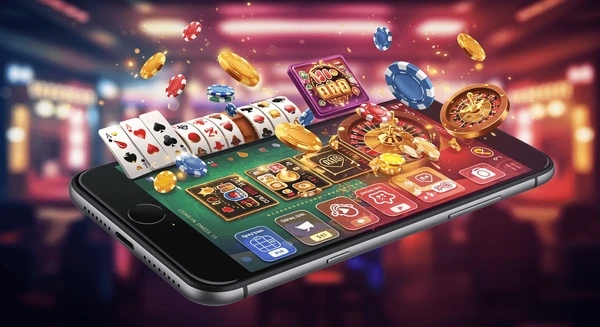
Smartphones pushed the digital transformation even further.
Modern casino games are now designed specifically for mobile screens. Players can spin slot reels, join poker tables, or play blackjack with a simple tap.
Research suggests that over 60 percent of online gambling activity now happens on mobile devices.
This means casinos no longer exist only in buildings or even on desktop computers. They now live inside apps and websites accessible anywhere with an internet connection.
A mobile gaming developer once explained the change like this:
“The smartphone became the world’s most accessible casino.”
Players can now enjoy games during a commute, while relaxing at home, or almost anywhere else.
Real Player Reactions to Digital Casinos
The shift from machines to code has created mixed reactions among players.
Some people miss the physical feeling of old mechanical machines.
One longtime casino visitor wrote in an online forum:
“I still love the sound of coins dropping. Digital slots are fun, but the old machines had personality.”
Others prefer the convenience and variety of digital games.
Another player commented:
“Online casinos have so many games that you never run out of new ones to try.”
These perspectives show how the industry has expanded rather than replaced old experiences.
Traditional casinos still exist, but they now operate alongside a massive digital gaming world.
A Transformation Driven by Technology
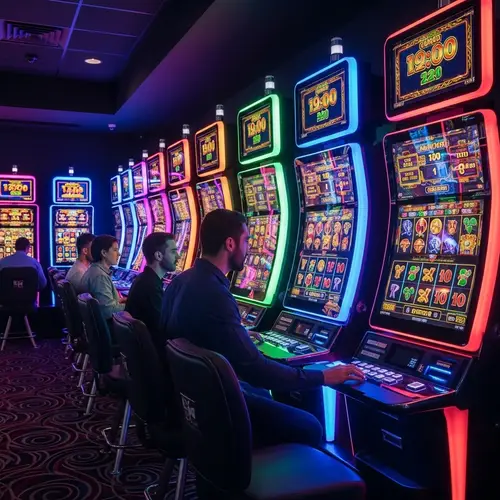
The journey from metal machines to software driven games did not happen overnight. It took more than a century of technological innovation.
The timeline roughly looks like this:
- 1890s: Mechanical slot machines appear
- 1960s: Electromechanical machines introduced
- 1980s: Video slot machines replace physical reels
- 1990s: Online casinos launch
- 2010s: Mobile gambling becomes dominant
Today, most casino games rely on software rather than mechanical parts.
Underneath the bright graphics and smooth animations are millions of lines of code running algorithms that decide every spin, card, or roll.
The Feeling That Never Changed
Despite all this technological progress, one thing has remained exactly the same.
The feeling of anticipation.
Whether a player pulled a metal lever in a casino decades ago or taps a screen on a smartphone today, the moment before the result appears feels identical.
There is always a small pause.
A moment of suspense.
A brief hope that luck will appear.
Mechanical gears once created that feeling.
Now computer code creates it instead.
But for players, the question remains the same as it has been for generations.
Will this be the lucky moment?