

Casino displays have changed considerably as electronic hardware, graphics technology, and software have improved. Earlier systems often provided limited visual information, while modern displays can combine detailed graphics, animation, touch input, and real-time content.
This evolution reflects a wider shift in casino technology: displays are no longer simply places to show information. They can also become part of the game’s controls, the venue’s communication system, and the overall design of the gaming environment.
The Era of Basic Indicators
Early electronic gaming equipment used relatively simple visual components. Lights, mechanical reels, numeric indicators, and basic electronic screens communicated game states and outcomes.
These systems were generally designed around specific functions. Their visual capabilities were limited, and changing the interface often required physical modifications or replacement components.
Even so, basic indicators served an important purpose. They showed essential information clearly and provided a bridge between mechanical gaming equipment and more sophisticated electronic machines.
The Move to Electronic Screens
As display components became more capable, gaming machines could show more information in one place. Screens began presenting game symbols, instructions, credit information, and animated sequences.
This reduced reliance on separate indicators and gave developers more freedom to shape the player interface. Software could control many visual elements, making it easier to introduce new themes or modify certain interface features without redesigning every physical component.
The transition also made display quality more important. Readability, response time, brightness, and durability became relevant considerations for machines operating for long periods in busy venues.
High-Resolution Graphics and Animation
Modern displays can support detailed artwork, smoother animation, and layered visual effects. These capabilities allow game designers to build more varied visual environments and communicate game information through both text and graphics.
However, visual sophistication must be balanced with clarity. Important information should remain easy to identify, and decorative effects should not obscure rules, results, or other essential details.
Display technology also varies by machine. Some gaming systems use large integrated screens, while others combine several displays or pair a screen with physical controls.
The Rise of Interactive Displays
Touchscreens introduced another important change: the display could also function as an input device. Players may use touch controls to navigate menus, select available options, or interact with particular game features.
Interactive displays can reduce the need for separate buttons, but physical controls remain useful in many designs. The best approach depends on the game’s requirements, accessibility needs, and regulatory standards.
Beyond the Gaming Machine
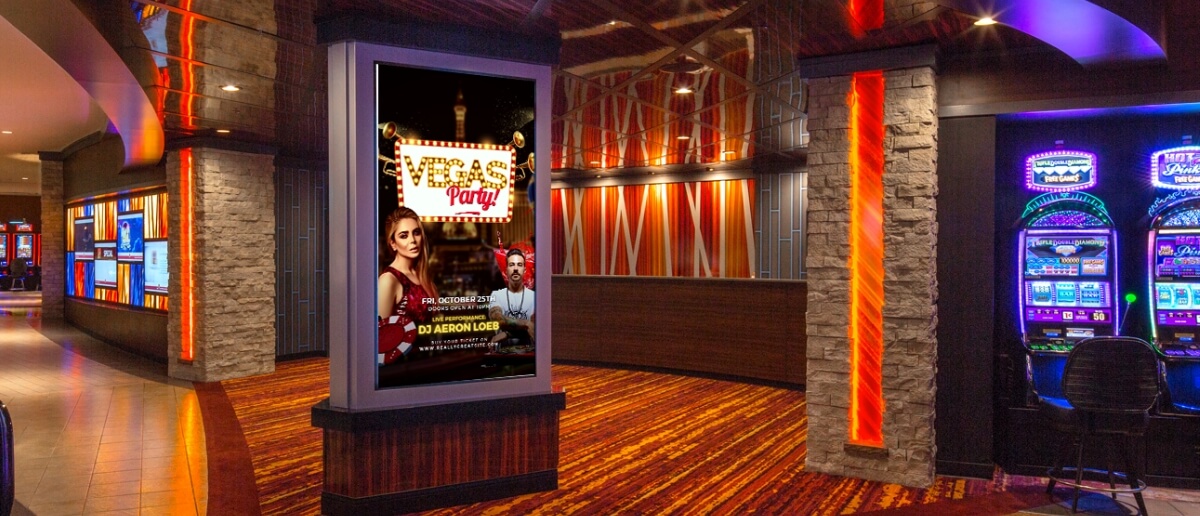
Digital displays are now used throughout casino properties. Signage systems can show directions, venue information, event schedules, and other approved content. Interactive kiosks may help guests find services or explore available facilities.
These systems often rely on centralized software for content updates. A reliable network and clear access controls help ensure that displays show the correct information.
What Comes Next?
Future developments may include more adaptive interfaces, improved accessibility options, and tighter integration between displays and casino management platforms. Adoption will depend on cost, operational needs, compatibility, and applicable rules.
Newer technology is not automatically better. A simple, dependable screen can be more effective than an elaborate interface that is difficult to use or maintain.
Conclusion
Casino displays evolved from basic indicators into flexible visual and interactive systems. Advances in screen quality and software have expanded what gaming machines and casino signage can do. The next stage of this evolution will depend on combining better visuals with usability, reliability, accessibility, and responsible information design.
FAQs
1. When did casino displays begin moving beyond basic indicators?
The transition happened gradually as electronic gaming machines and display components became more capable. The pace varied across manufacturers and markets.
2. What makes an interactive casino display different?
An interactive display accepts user input, often through touch, rather than only presenting visual information.
3. Do all modern casino machines use touchscreens?
No. Some use physical buttons, some use touchscreens, and others combine the two.
4. Why does display usability matter?
Clear interfaces help users understand controls and information while reducing confusion and supporting accessibility.
One Reply to “From Basic Screens to Interactive Displays: The Evolution of Casino Displays”