
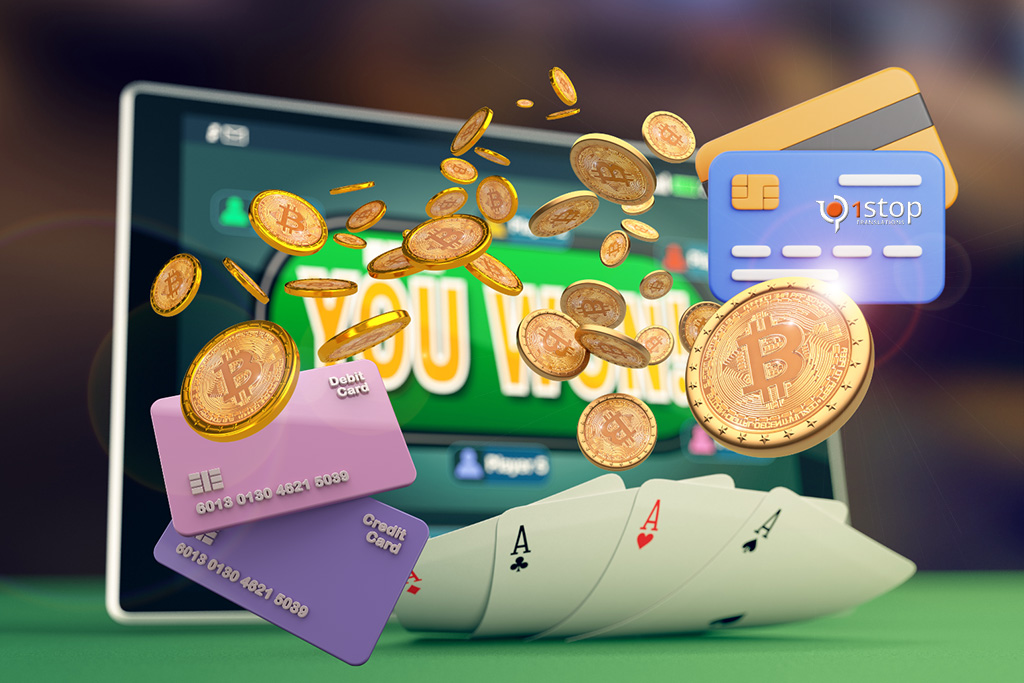
Not long ago, moving money between a bank account and a casino could involve several steps, long processing times, and plenty of waiting. A transaction might be simple on paper, but getting the money from one place to another was not always convenient. Today, digital technology has changed that experience. Online payment gateways, mobile banking, digital wallets, and automated security checks have transformed how financial transactions work across the casino industry.
These changes are about more than speed. Modern payment systems must handle sensitive financial information, verify transactions, prevent fraud, and communicate with different financial institutions. As online services have developed, casino payment methods have evolved to meet these demands.
This article explores how casino payments have changed with digital technology, why traditional methods still matter, how modern systems process transactions, and what users should know about payment security and reliability.
From Traditional Banking to Digital Transactions
Traditional banking methods laid the foundation for casino payments long before online transactions became common. Bank transfers and card payments provided established ways to move money between accounts, supported by financial institutions with existing procedures for authorization and recordkeeping.
However, these methods could involve delays. Some transfers required manual processing, while card transactions depended on authorization systems, bank policies, and merchant processing arrangements. International payments could introduce additional steps, including currency conversion and intermediary banks.
As internet access expanded, financial services began moving more activities online. People could manage accounts, review transactions, and transfer funds without visiting a physical branch. Online casinos and other digital businesses adopted these developments to accept payments through connected financial systems.
The change was gradual rather than a complete replacement of traditional banking. Bank transfers and cards remained important, but users gained additional ways to initiate payments and manage their money.
For example, a bank transfer might require someone to enter account information and wait for the receiving institution to process the funds. A modern banking app can make the process easier to initiate and track, although the actual settlement time still depends on the payment network and participating banks.
This distinction matters because a digital interface does not automatically make every transaction instant. The technology may simplify the experience, while the underlying financial process continues to follow its own rules.
How Payment Gateways Connect Casinos With Financial Institutions
One of the most important developments in online payments is the payment gateway. It acts as a technical link between a merchant’s payment interface and the financial systems responsible for authorizing or processing a transaction.
When a user submits a payment, the gateway helps transmit the necessary transaction information through the relevant processing network. Depending on the payment method, the transaction may involve a payment processor, card network, acquiring bank, issuing bank, or another financial service provider.
The system checks whether the transaction can proceed and returns a response. If authorization is approved, the payment can move through the remaining processing and settlement stages. If it is declined, the system may return a message indicating that the transaction could not be completed.
Security checks can also occur during this process. A payment provider might examine transaction details, apply fraud detection rules, or request additional verification when something appears unusual.
Although the process may look simple to the user, several systems can communicate behind the scenes. A payment gateway helps coordinate this communication, but it does not independently control every stage of the transaction.
For casino operators, integration with payment providers also involves practical considerations. They need to understand supported currencies, transaction fees, processing times, refund policies, and applicable regulatory requirements. The available methods can differ depending on the operator’s location, the user’s country, and the provider’s policies.
The Rise of Digital Wallets and Mobile Payments
Digital wallets have added another option to the payment landscape. Instead of entering payment details repeatedly, users may be able to select a supported wallet and authorize a transaction through an app, device authentication, or another verification method.
Depending on the service, a wallet may store payment credentials securely, connect to a bank account, or use a supported balance. Some wallet transactions rely on tokenization, which replaces sensitive card information with a substitute value for supported payment operations.
This can reduce the need to expose the original card number during every transaction. However, the exact protections depend on the wallet provider, the payment method, and how the merchant integrates the service.
Mobile banking has also made payment management more accessible. Users can review account activity, receive transaction alerts, and contact their financial institution through a smartphone. These features can make it easier to notice an unfamiliar transaction or identify a failed payment.
Still, digital wallets are not automatically faster or safer in every situation. Some transactions require additional verification, and wallet providers may impose limits or restrict certain merchant categories. Availability also varies by country and financial institution.
A useful way to evaluate a payment option is to look beyond convenience. Check the provider’s fees, supported currencies, withdrawal compatibility, dispute procedures, and privacy practices. A method that works for deposits may not necessarily support withdrawals from the same service.
How Modern Casino Payment Systems Protect Transactions
As digital payments have become more common, protecting financial information has become a central concern. Payment systems may use encryption to protect data during transmission, authentication to confirm a user’s identity, and fraud monitoring to identify suspicious activity.
Card payments may also use security measures such as 3-D Secure, which can require an additional verification step depending on the transaction and issuing bank. Digital wallets may support device authentication or tokenization, while banks can apply their own transaction monitoring systems.
These protections work together, but none eliminates every risk. Fraud detection systems can miss suspicious activity, legitimate transactions can be declined, and compromised accounts can still create problems if users fail to protect their credentials.
Users can reduce some risks by choosing reputable payment providers, accessing financial services through official websites or apps, and avoiding payment links received through unexpected messages. Strong, unique passwords and multifactor authentication can also help protect accounts.
It is equally important to check the business receiving the payment. A professional-looking website does not establish that an operator is legitimate. Review the company’s identity, applicable licensing information, payment terms, withdrawal rules, and customer support details before sharing financial information.
Payment records should also be reviewed regularly. Keep confirmation messages and transaction references, and contact the payment provider promptly if a charge looks unfamiliar or a transfer does not arrive within the stated timeframe.
What the Future of Casino Payments May Look Like
Payment technology continues to develop through faster banking networks, improved identity verification, automated fraud monitoring, and more connected financial services. These developments may reduce friction in some transactions, but they also introduce new operational and regulatory challenges.
For example, a payment service may offer near-instant transfers while still relying on separate processes for refunds, disputes, or withdrawals. A new payment option may also be unavailable in certain countries because of local laws or provider restrictions.
For casino operators, the challenge is to combine convenience with reliable processing, transparent fees, data protection, and compliance. For users, understanding how a payment method works is more valuable than choosing one simply because it advertises speed.
Digital technology has made casino payments more varied and accessible, but responsible financial decisions still depend on checking the details behind each option.
Conclusion
Casino payment methods have evolved from traditional bank-based transactions into a broader system of online transfers, payment gateways, digital wallets, and mobile banking services. These technologies have made it easier to initiate payments and monitor transactions, while adding new ways to verify identities and protect sensitive information.
However, convenience should not replace careful evaluation. Processing times, fees, withdrawal policies, and security measures differ between providers. Understanding these differences helps users make informed decisions and recognize that a smooth payment interface is only one part of a reliable financial system.
Frequently Asked Questions
How has digital technology changed casino payment methods?
Digital technology has introduced online payment gateways, mobile banking, digital wallets, and automated transaction verification. These developments have made payments easier to initiate and track, although processing times and available methods still depend on providers and local regulations.
What is a payment gateway in online casino transactions?
A payment gateway helps transmit transaction information between a merchant’s payment interface and the relevant payment processing systems. It supports communication and authorization but does not independently control every stage of settlement.
Are digital wallets safer than traditional card payments?
Digital wallets may offer protections such as tokenization and device authentication, depending on the service. However, security also depends on account protection, provider policies, merchant practices, and the specific payment method.
Why can online casino payments take longer than expected?
Delays may result from bank processing times, additional identity checks, payment provider reviews, currency conversion, technical issues, or withdrawal verification requirements. The relevant provider’s stated processing terms can help explain the expected timeframe.
What should users check before choosing an online payment method?
Users should review transaction fees, processing times, withdrawal support, currency options, security features, dispute procedures, and applicable restrictions. They should also verify the receiving business and understand its payment and withdrawal policies.
One Reply to “How Casino Payment Methods Have Changed With Digital Technology”