
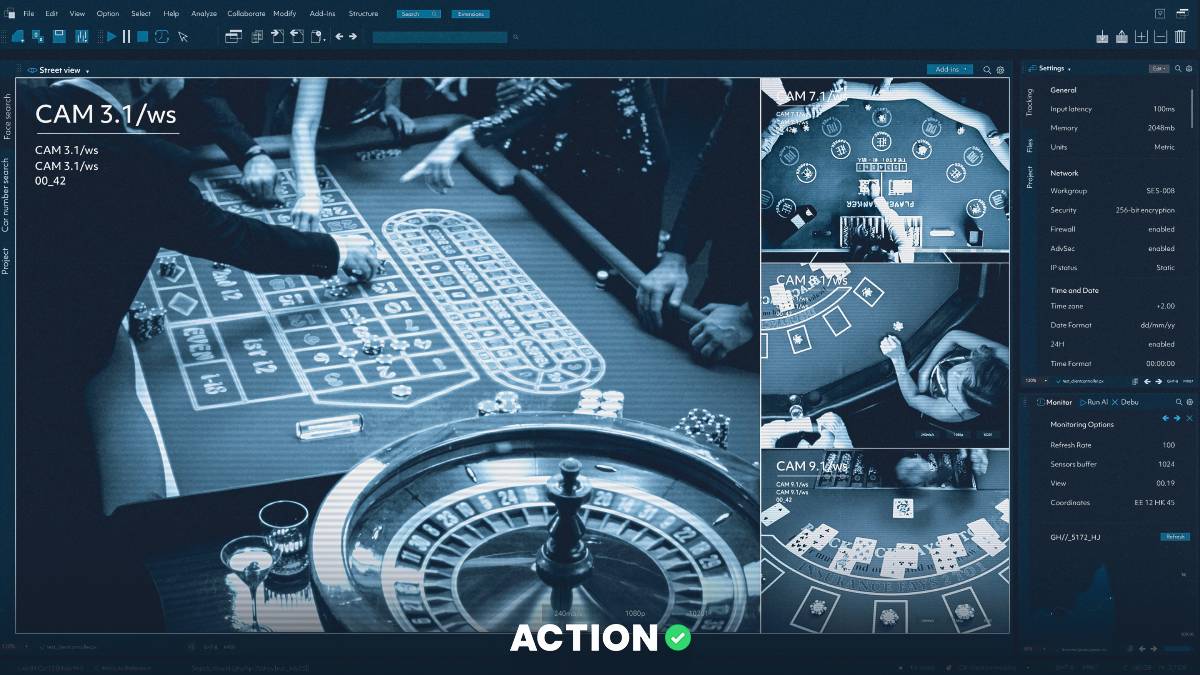
Casino security has evolved alongside changes in gaming equipment, building design, payment systems, and digital infrastructure. Traditional security relied heavily on staff observation, physical controls, and basic surveillance. Modern casinos may combine these methods with digital video systems, electronic access controls, centralised monitoring, and cybersecurity tools.
The objective remains broadly similar: protect visitors and staff, safeguard assets, support fair operations, and respond to incidents. What has changed is the range of information and technical tools available to security teams.
The Traditional Role of Security Staff
Before digital monitoring became widespread, casino security depended heavily on trained personnel, direct observation, physical patrols, and established procedures.
Staff monitored public areas, responded to disturbances, controlled access to restricted rooms, and coordinated with other employees when problems occurred. Paper records and manual reporting could form part of the process, depending on the venue and period.
Human judgement was central. Employees needed to recognise unusual situations, communicate clearly, and decide when to intervene or request assistance.
These responsibilities have not disappeared. Even with modern technology, security staff remain important for interpreting events, helping visitors, and responding to situations that automated systems cannot safely resolve on their own.
The Development of Video Surveillance
Closed-circuit television, commonly known as CCTV, became an important component of casino security. Cameras allowed staff to observe areas remotely rather than relying entirely on physical patrols.
Over time, advances in recording equipment, image quality, storage, and network connectivity improved the capabilities of surveillance systems. Digital video made it easier to store footage and retrieve relevant recordings, subject to system design and retention policies.
Modern systems may support multiple camera feeds, central monitoring rooms, and recorded review of incidents. Their effectiveness depends on camera placement, image quality, maintenance, staff training, and appropriate procedures.
A camera does not automatically prevent every incident or identify every problem. Surveillance works best as part of a broader security programme.
Electronic Access Control
Casinos contain areas that require restricted access, including equipment rooms, offices, cash-handling areas, and technical infrastructure. Electronic access systems can use cards, credentials, or other approved methods to control entry.
These systems can help operators manage permissions and maintain records of access events. Permissions may differ according to an employee’s role, and access can be changed when responsibilities change.
Such controls reduce reliance on physical keys alone, but they also require careful administration. Lost credentials, incorrect permissions, and poorly secured access systems can create vulnerabilities.
Security policies therefore need to cover both the technology and the people who use it.
From Physical Protection to Cybersecurity
As casinos adopted networked gaming equipment, digital account systems, electronic payments, and connected business applications, cybersecurity became increasingly important.
Potential concerns include unauthorised access, data theft, malicious software, service interruptions, and misuse of employee credentials. The specific risks depend on the systems a venue operates.
Cybersecurity measures may include network segmentation, encryption, multi-factor authentication, software updates, access monitoring, backups, and incident-response plans. Not every casino uses the same tools, and no single measure offers complete protection.
Security teams also need to consider suppliers and third-party services, since external systems may form part of the wider technology environment.
Data, Monitoring, and Privacy
Modern security systems can produce large amounts of information, including video recordings, access logs, and technical alerts. This can help teams investigate incidents and identify operational problems.
However, more data also creates responsibilities. Information must be accessed by authorised people, retained according to applicable rules, and protected against misuse or unauthorised disclosure.
Where monitoring technologies involve personal information, casinos need to consider relevant privacy laws and their own policies. Security goals should be balanced with appropriate limits on collection, access, and retention.
Why Human Oversight Still Matters
Automated alerts and digital monitoring can help staff identify events that require attention, but technology may generate false alarms or fail to recognise important context.
A person reviewing an incident can consider circumstances, communicate with visitors, and decide whether a response is appropriate. Staff training and clear escalation procedures remain essential.
Security also involves preparedness: emergency plans, staff communication, equipment testing, and coordination with relevant authorities when necessary.
Conclusion
Casino security technology has developed from systems centred on physical observation and basic surveillance into a broader combination of digital monitoring, access control, network security, and data management.
These tools can improve visibility and coordination, but they do not replace trained people or well-designed procedures. Effective casino security depends on technology, staff, maintenance, privacy safeguards, and ongoing assessment working together.
FAQs
1. What security technologies do modern casinos use?
Depending on the venue, these may include CCTV, digital recording, electronic access control, alarm systems, network monitoring, and cybersecurity tools.
2. Has digital surveillance replaced casino security staff?
No. Staff continue to monitor situations, respond to incidents, assist visitors, and make decisions requiring human judgement.
3. Why is cybersecurity important to casinos?
Connected gaming equipment, payment systems, employee accounts, and business applications can expose casinos to digital threats if not adequately protected.
4. Does casino surveillance guarantee that every incident will be detected?
No. Detection depends on camera coverage, system quality, staff attention, procedures, and the circumstances of an incident.

One Reply to “How Casino Security Technology Has Changed Over the Years”