
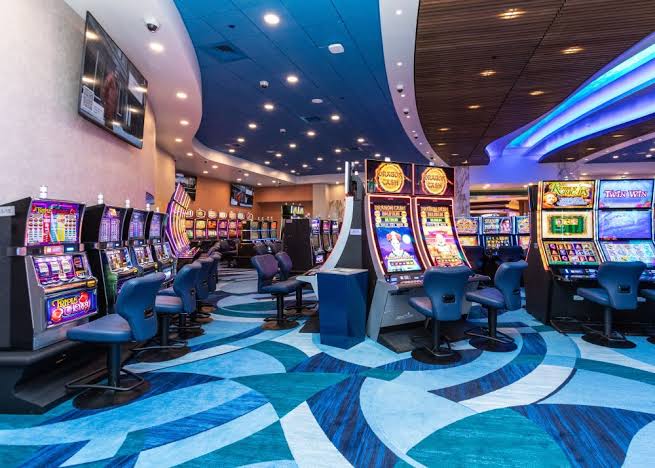
For much of the twentieth century, mechanical slot machines were a familiar feature of casino floors. Their reels, gears, levers, and physical mechanisms made the process of playing visible and tangible. But advances in electronics and computing gradually changed how casino games were built and operated.
The transition from mechanical to electronic gaming was a major technological shift. It changed the internal workings of machines, expanded the range of game designs, and created a foundation for later developments in digital gaming.
The mechanical era did not disappear overnight. Instead, electronic equipment gradually became more capable and widely adopted, while mechanical machines remained part of the industry’s history and, in some settings, its present.
How Mechanical Gaming Machines Worked
Traditional mechanical slot machines used physical components to determine and display outcomes. When a player operated the machine, its mechanism set the reels in motion before they came to rest.
The visible reels made the game easy to understand at a glance. Symbols aligned along a payline, and the result was evaluated according to the machine’s rules.
Mechanical designs, however, imposed physical limitations. Adding new features could require changes to the machine’s construction, and the range of possible animations or interactive elements was restricted by its mechanical design.
Maintenance also involved physical components that could wear down or require adjustment.
The Move Towards Electronics
Electronic components offered a different way to control a game. Instead of relying entirely on mechanical mechanisms, manufacturers could use electronic circuits and later software to manage game logic, displays, and other functions.
Video screens expanded the possibilities further. Symbols no longer had to be represented by physical reels, and developers could create more elaborate visual themes and game sequences.
The transition was gradual and differed across manufacturers and markets. Hybrid machines and electronic versions of familiar games helped bridge the gap between older mechanical formats and newer digital designs.
Why Software Changed Game Design
Software made it possible to separate many aspects of a game’s presentation from its physical hardware. Developers could design interfaces, animations, sound effects, and bonus features within a software environment.
This flexibility allowed manufacturers to produce different games for compatible platforms, subject to technical requirements and regulatory approval. A new game could have a distinct theme and presentation without requiring an entirely new mechanical assembly.
Software also created more complex testing requirements. A machine’s operation depended not only on its physical components but also on the behaviour of its code, configuration, and electronic systems.
Randomness and Game Integrity
Modern electronic gaming machines commonly use software-based methods to generate game outcomes. Depending on the product, a random number generator or another approved mechanism is used according to the game’s design and regulatory requirements.
The shift to software did not remove the need for integrity controls. Electronic games must be tested and operated in accordance with applicable standards. Their rules, payout structures, and approved configurations need to be properly documented.
Players should not assume that animations or sequences of previous results reveal what will happen next. The visual presentation of a game is separate from the method used to determine its outcome.
What Happened to Mechanical Machines?
The rise of electronic gaming did not mean that every mechanical machine became unusable or vanished. Older machines may still appear in specialist collections, heritage displays, private settings, or venues where permitted.
Mechanical designs also remain important to the history of gaming technology. They show how manufacturers worked within physical limitations before electronics and software broadened the possibilities.
In modern casinos, the balance between mechanical and electronic formats varies. Electronic systems are widely used, but the industry’s development is better described as a technological transition than a single moment when one era ended.
Conclusion
The rise of electronic gaming transformed casino equipment from predominantly mechanical devices into increasingly software-driven systems. Electronic controls and digital displays enabled more flexible game design, while also introducing new requirements for testing, maintenance, and technical oversight.
The mechanical casino era remains an important part of gaming history. Its influence can still be seen in familiar game concepts and physical designs, even as modern equipment relies increasingly on electronics and software.
FAQs
1. When did casinos begin moving from mechanical to electronic gaming?
The change took place gradually over several decades as electronic components and video-based machines became more capable and commercially established.
2. Why did electronic gaming become widespread?
Electronic systems enabled more flexible displays, software-based game features, and different ways to manage and maintain equipment.
3. Are mechanical slot machines still used?
Some remain in specialist or permitted settings, although electronic gaming equipment is widely used in modern casinos.
4. Are electronic games less random than mechanical games?
Not necessarily. Randomness depends on the game’s design and approved outcome-generation method, not simply on whether the machine is mechanical or electronic.

One Reply to “The Rise of Electronic Gaming and the End of the Mechanical Casino Era”