
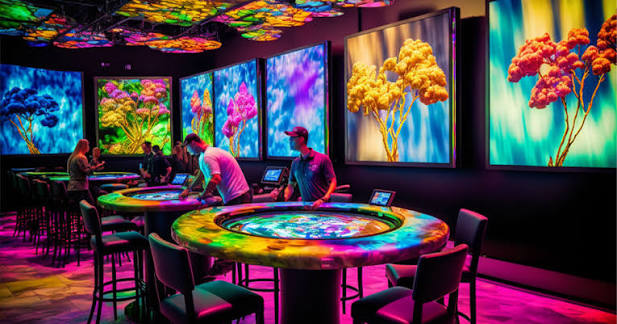
A modern casino floor is a complex operating environment where gaming equipment, digital systems, communication networks, and security technology work together. Visitors may primarily notice slot machines, table games, and large displays, but the systems supporting these features are just as important to day-to-day operations.
The precise equipment varies by casino size, gaming format, jurisdiction, and business model. However, most technology-enabled gaming environments depend on several core categories of equipment.
Gaming Machines and Table-Game Equipment
Gaming machines are among the most visible pieces of casino technology. A modern electronic machine may include a display, physical or touchscreen controls, internal computing hardware, a power supply, and approved components responsible for game operation.
Electronic table games use digital interfaces to support particular game formats. Traditional table games also rely on physical equipment, such as tables, chips, cards, and other game-specific tools.
Each type of equipment has its own requirements for installation, inspection, servicing, and compliance. In regulated environments, machines and game systems may need approval or certification before they can be used.
Displays and Digital Signage
Screens help present game information, instructions, promotions, event details, and directions. Gaming-machine displays are usually closely integrated with the game interface, while venue signage may be managed through a separate content system.
Digital signage can help staff update information across multiple locations. Its usefulness depends on clear design, accurate content, reliable connections, and suitable screen placement.
Networks and Central Systems
Casino networks connect selected machines, terminals, servers, and management applications. Depending on the architecture, these connections may support machine status reporting, player services, operational monitoring, and other approved functions.
Central systems help organize information from different parts of the venue. They also create dependencies: network outages, software compatibility issues, or server problems can affect connected services.
For this reason, network segmentation, monitoring, backup procedures, and access controls are important parts of casino infrastructure.
Security and Surveillance Technology
Security equipment can include video surveillance cameras, recording systems, access-control devices, alarms, and communication tools. These technologies help authorized teams monitor the premises, manage access to restricted areas, and investigate incidents.
Surveillance equipment must be positioned and operated in accordance with applicable law and privacy requirements. Technology supports trained staff; it does not eliminate the need for established procedures or human judgment.
Payment and Guest-Service Systems
Depending on local rules and the casino’s operating model, guest services may use cash-handling equipment, approved payment terminals, account-service kiosks, or other transaction systems.
These systems need careful controls because they may handle financial or personal information. Authentication, reconciliation, staff training, and secure maintenance procedures help reduce operational risks.
Power, Cooling, and Physical Infrastructure
Behind the visible equipment are essential support systems. Reliable electrical distribution, appropriate ventilation, cable management, and suitable environmental conditions help equipment operate within its designed limits.
Unstable power or excessive heat can cause interruptions and shorten component life. Facilities teams therefore play an important role in maintaining the casino’s technical environment.
Why Integration Matters
Buying reliable equipment is only part of the challenge. Systems must work together, staff must know how to use them, and maintenance teams need clear procedures for faults and upgrades.
Casinos should evaluate compatibility, vendor support, regulatory requirements, security, and the total cost of ownership before introducing new technology.
Conclusion
A modern casino floor depends on more than gaming machines. Displays, networks, surveillance, service systems, power infrastructure, and maintenance processes all contribute to its operation. Coordinating these elements helps casinos maintain a more reliable environment while supporting security, clear communication, and regulatory compliance.
FAQs
1. What is the most important equipment on a casino floor?
There is no single answer. Gaming equipment is central to the venue, but networks, power infrastructure, security systems, and maintenance tools are also essential.
2. Do all casino machines connect to a central system?
Not necessarily. Connectivity depends on the machine, platform, operator requirements, and applicable regulations.
3. Why do casinos need dedicated technical infrastructure?
Gaming and support systems may require reliable power, secure networks, controlled environments, and specialized maintenance.
4. How does casino technology affect daily operations?
It can support game operation, staff communication, information display, security, service delivery, and equipment monitoring.
One Reply to “The Essential Technology and Equipment Behind a Modern Casino Floor”