
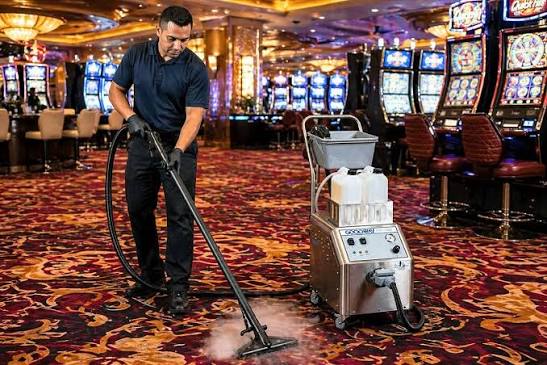
A modern casino floor depends on equipment that needs to operate consistently throughout busy periods. Gaming machines, electronic table-game systems, displays, network devices, payment equipment, and supporting infrastructure all require appropriate maintenance.
When equipment fails, the effect may extend beyond the individual device. A fault can interrupt a service, create additional work for staff, or affect connected systems. A structured maintenance program helps casinos identify problems, reduce avoidable disruption, and keep equipment in suitable operating condition.
Reducing Avoidable Downtime
Equipment downtime can disrupt operations and require staff to redirect guests or arrange service. Regular inspections and timely repairs can help prevent some failures from becoming larger problems.
Maintenance does not guarantee that breakdowns will never happen. Electronic components can fail unexpectedly, software can develop faults, and external issues such as power or network interruptions may affect performance.
The goal is to reduce preventable failures and make recovery more organized when a problem occurs.
Protecting Equipment Performance
Dust, heat, wear, loose connections, and damaged components can affect equipment over time. The specific risks depend on the device and the environment in which it operates.
Maintenance teams may inspect ventilation, check cables and connectors, test controls, review error reports, and follow manufacturer guidance for cleaning or replacing components.
Only qualified personnel should perform work that requires specialist training or access to protected equipment. Procedures must also respect any applicable regulatory controls.
Supporting Security and Compliance
Casino equipment may be subject to regulatory requirements, inspection schedules, approved configurations, and documented service procedures. Maintenance helps operators demonstrate that relevant checks and repairs have been completed.
Changes to regulated gaming equipment may require additional authorization or testing. Staff should not assume that a replacement component, software update, or configuration change is acceptable simply because it appears to work.
Maintenance records should document the issue, the work performed, any parts replaced, and the outcome of required checks.
Managing Costs Over Time
Replacing equipment can be expensive, especially when several components fail or a device becomes difficult to support. Preventive maintenance can help extend useful service life when equipment is maintained within its intended operating conditions.
However, maintaining old equipment indefinitely is not always economical. Parts may become unavailable, software support may end, or repair costs may exceed the value of replacement.
Operators should compare maintenance expenses with reliability, support availability, compatibility, compliance, and expected remaining service life.
Improving Staff Coordination
A maintenance program works best when casino operations, technical staff, facilities teams, and equipment vendors communicate effectively.
Staff should know how to report faults, identify equipment that needs attention, and follow procedures for taking a device out of service. Clear escalation paths help ensure that issues reach the right team without unnecessary delays.
Work-order systems can help track open tasks, prioritize repairs, document completed work, and identify recurring faults.
Using Monitoring Tools Wisely
Some modern equipment can provide diagnostic information, error messages, or status alerts. These features may help technicians identify issues earlier or prioritize service requests.
Yet monitoring tools have limitations. Alerts may be incomplete, and not every physical problem can be detected electronically. Routine inspection and professional judgment remain essential.
Conclusion
Casino equipment maintenance is a core part of operating a reliable gaming floor. It helps reduce avoidable downtime, protect equipment, support compliance, and manage long-term costs. The most effective approach combines scheduled inspections, prompt repairs, accurate records, trained staff, and suitable monitoring technology.
FAQs
1. Why is preventive maintenance important for casinos?
It helps identify wear and developing faults before they cause larger disruptions, although it cannot eliminate every failure.
2. What casino equipment requires maintenance?
Depending on the venue, this can include gaming machines, displays, network hardware, security equipment, payment systems, and electrical or cooling infrastructure.
3. How often should casino equipment be serviced?
Service intervals depend on manufacturer instructions, equipment condition, usage, and applicable regulatory requirements.
4. Why are maintenance records necessary?
They help track repairs, identify recurring problems, support planning, and demonstrate that required procedures have been followed.
One Reply to “Why Casino Equipment Maintenance Matters for Modern Gaming Floors”