
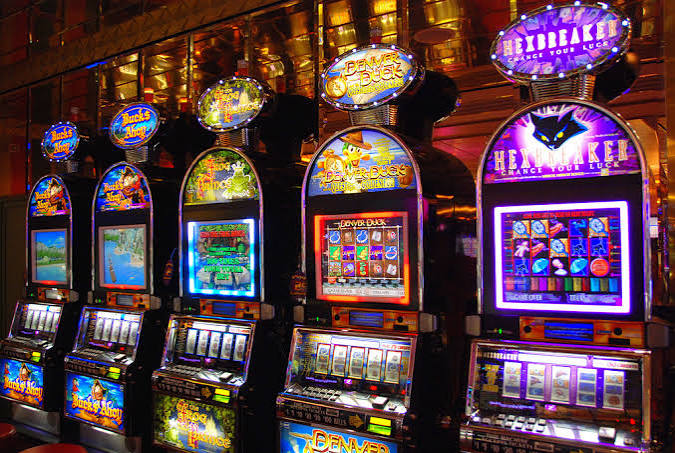
Designing a modern casino gaming machine involves much more than creating an attractive cabinet or an engaging game theme. Manufacturers must coordinate mechanical and electronic engineering, software development, interface design, testing, security, and regulatory requirements.
The finished machine needs to function reliably in a busy environment while presenting game information clearly and meeting the requirements of the market where it will be used.
1. Establishing the Design Requirements
The process begins with a clear set of requirements. Manufacturers consider the intended game format, cabinet dimensions, display arrangement, control layout, service access, and compatibility with the operator’s systems.
They also need to understand the applicable regulatory standards. Requirements can vary by jurisdiction, so a design intended for one market may need changes before it can be approved for another.
Early planning helps prevent expensive redesigns later in development.
2. Engineering the Hardware
The physical machine may contain a cabinet, displays, buttons or touchscreens, computing hardware, power components, cooling systems, and internal wiring.
Each element must fit into the overall design without making the machine difficult to service. Engineers consider component durability, heat management, power requirements, cable routing, and physical stability.
The cabinet also needs to protect internal components in the environment where the machine will operate. Maintenance access should be practical while preserving required security measures.
3. Developing the Game Software
Software determines how the approved game operates and how information appears on the screen. Developers build the interface, animations, sound, game logic, and other functions according to the product specification.
Software and hardware must be compatible. A display may have excellent resolution, for example, but its benefits are limited if the interface is difficult to read or the system responds inconsistently.
In regulated markets, game logic and software changes may be subject to defined testing and approval processes. Manufacturers must follow the applicable requirements rather than assuming that a working prototype is ready for deployment.
4. Designing the User Interface
The interface connects the player with the game. Designers decide how instructions, controls, results, and other essential information are presented.
Readable text, consistent control placement, appropriate contrast, and understandable feedback can reduce confusion. Accessibility should also be considered, including how screen layout and controls serve people with different needs.
Visual effects should support communication rather than obscure important information.
5. Testing and Quality Assurance
Before a machine reaches the gaming floor, it needs appropriate testing. Depending on the product and jurisdiction, this may include functional checks, software validation, hardware reliability tests, security reviews, and formal regulatory testing or certification.
Testing can reveal problems such as unresponsive controls, display faults, unstable software, overheating, or incompatibility with other systems.
A structured testing process also creates documentation that can help technicians diagnose problems after deployment.
6. Preparing for Installation and Maintenance
Designers must consider what happens after the machine is installed. Technicians need service documentation, appropriate spare parts, and clear procedures for inspection and repair.
Operators may also need to configure approved network connections, inventory records, access permissions, and equipment-monitoring tools.
Maintenance requirements should influence design decisions from the beginning. A machine that is easy to diagnose and repair can be more practical over its operating life than one that prioritizes appearance alone.
7. Balancing Cost, Performance, and Compliance
Every design involves trade-offs. More advanced displays or custom components may increase cost, while standardized parts can simplify procurement and servicing. Manufacturers must assess initial price alongside expected operating costs, reliability, support, and regulatory obligations.
The right balance depends on the intended market and operational environment.
Conclusion
Modern casino gaming machine design is a multidisciplinary process that brings hardware, software, usability, testing, and maintenance together. A successful machine must do more than look impressive: it must operate consistently, communicate clearly, remain serviceable, and comply with applicable rules. Careful planning at every stage helps achieve that balance.
FAQs
1. Who designs casino gaming machines?
Development usually involves teams of hardware engineers, software developers, industrial designers, interface specialists, quality-assurance staff, and regulatory experts.
2. What components are found inside a modern gaming machine?
Components vary, but may include computing hardware, power supplies, displays, controls, cooling components, wiring, and approved electronic systems.
3. Why is regulatory testing important?
It helps determine whether a machine and its software meet the requirements that apply in the intended market.
4. Does maintenance affect the original design?
Yes. Access to components, diagnostic capabilities, spare-part availability, and service procedures can all influence the design.
One Reply to “What Goes Into Designing a Modern Casino Gaming Machine?”